Latest Releases
View all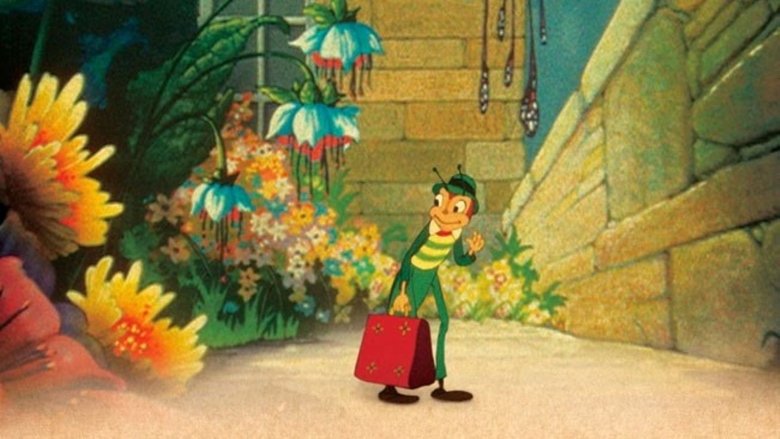 FleischerMr. Bug Goes to Town78 min1941
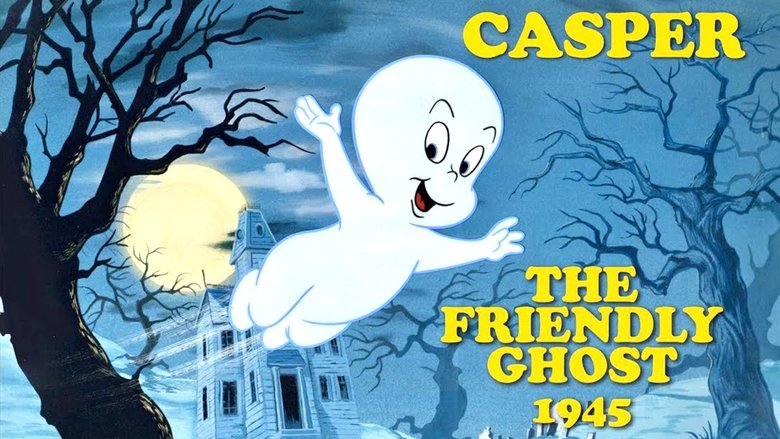 FamousThe Friendly Ghost9 min1945
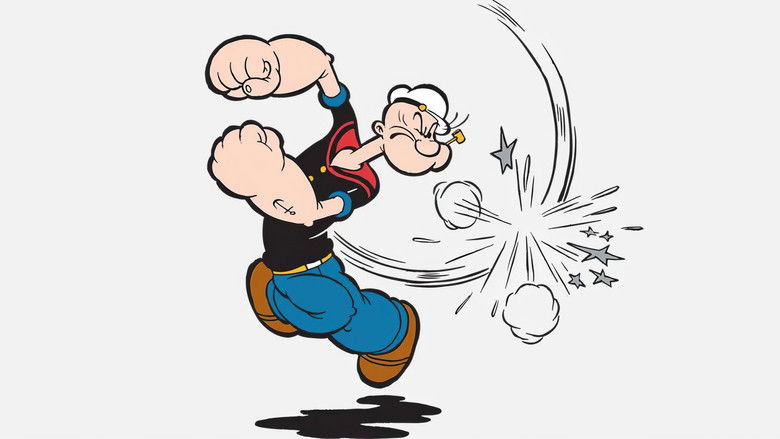 FleischerPopeye Presents Eugene, the Jeep6 min1940
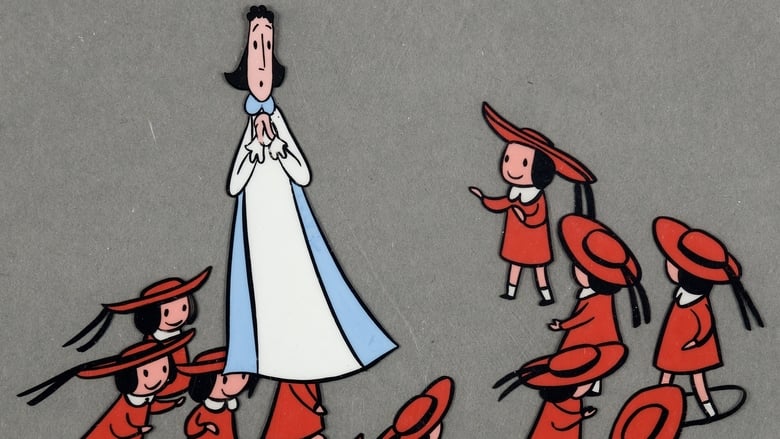 UPAMadeline8 min1952
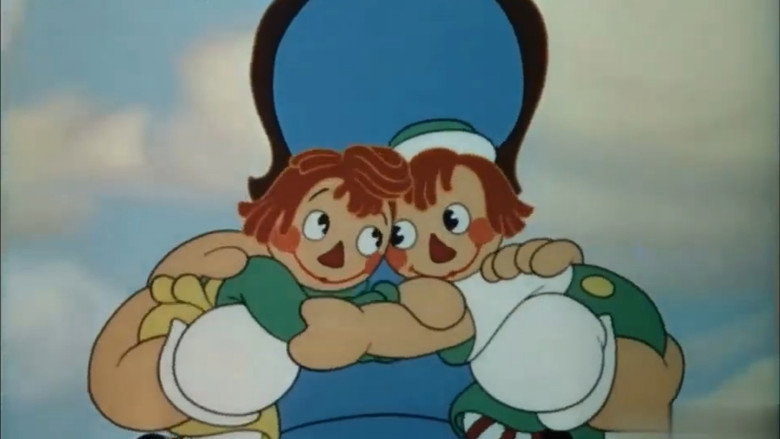 FleischerRaggedy Ann and Raggedy Andy17 min1941
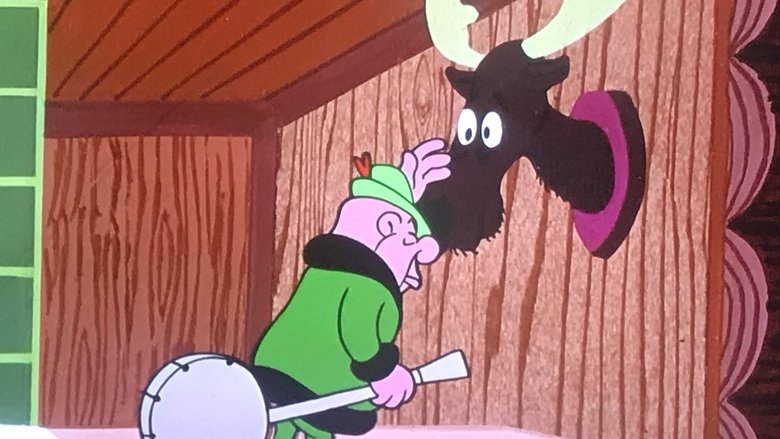 UPARagtime Bear7 min1949
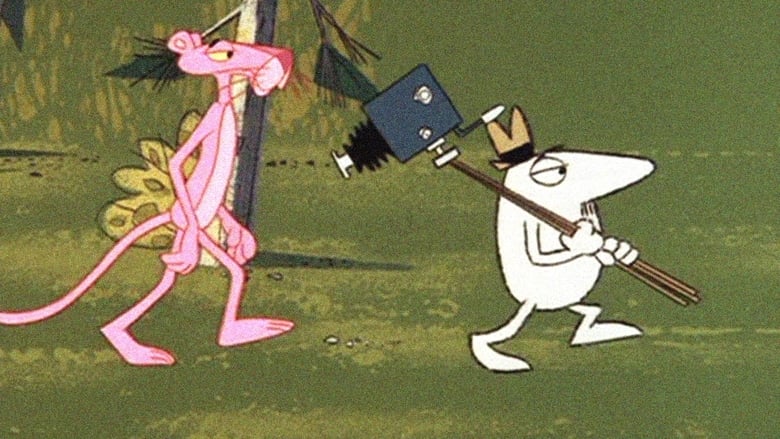 DePatieSmile Pretty, Say Pink6 min1966
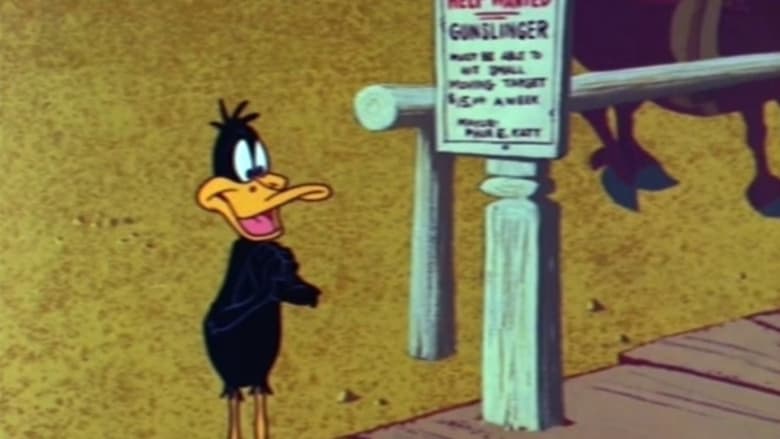 DePatieFeather Finger6 min1966
 FleischerAnts in the Plants7 min1940
 DePatieReaux, Reaux, Reaux Your Boat6 min1966
 LantzTomcat Combat6 min1959
- FleischerNurse-Mates7 min1940
AnimePahe: the other cartoon studios of the golden age, 1928 to 1975, from Popeye and Betty Boop to Woody Woodpecker, Casper, Mr. Magoo and the Pink Panther, and where to watch them
546 theatrical cartoons from Fleischer, Famous Studios, Walter Lantz, Van Beuren, UPA, Terrytoons and DePatie-Freleng: Popeye, Betty Boop, Woody Woodpecker, Andy Panda, Chilly Willy, Casper, Little Audrey, Mighty Mouse, Mr. Magoo, Gerald McBoing-Boing and the Pink Panther. Search a title and press Watch now.
PopeyeBetty BoopFleischer classicsWoody WoodpeckerWalter LantzCasperFamous StudiosVan Beuren and friendsUPATerrytoonsDePatie-Freleng1928 to 1939The 1940sThe 1950s1960 to 1975Top rated
Popeye
View all
Woody Woodpecker
View all
Casper
View all
UPA
View all
Van Beuren and friends
View all
DePatie-Freleng
View all- DePatieSmile Pretty, Say Pink6 min1966
- DePatieFeather Finger6 min1966
- DePatieReaux, Reaux, Reaux Your Boat6 min1966
 DePatiePsst Pink7 min1971
 DePatieIn the Pink of the Night6 min1969
 DePatiePink Is a Many Splintered Thing6 min1968
 DePatieCongratulations It's Pink6 min1967
 DePatieThink Before You Pink6 min1969
Guides
- How to watch with AnimePaheFrom the release grid to the official service.
- PopeyeThe sailor man, Olive Oyl, Bluto and Wimpy.
- Walter LantzWoody Woodpecker, Andy Panda and Chilly Willy.
- Famous Studios and CasperCasper, Little Audrey, Little Lulu and Baby Huey.
- UPAMr. Magoo, Gerald McBoing-Boing and the modern look.
- Languages and restorationsOriginal voices and restored prints.
- Betty Boop and the Fleischer classicsBetty, Grampy, Pudgy, Raggedy Ann and Mr. Bug.
- Van Beuren, Terrytoons and DePatie-FrelengFelix, Mighty Mouse and the Pink Panther.
- The official AnimePahe siteHow to recognise the real address.
- Is AnimePahe working?A quick check and easy fixes.
- Where AnimePahe cartoons streamThe official services behind Watch now.
- Apps and devicesPhones, tablets, computers and televisions.
- Watching safelyA short checklist.
- Finding a cartoonSearch tips.
- My List and the queueBuilding your own cartoon show.
AnimePahe: the other cartoon studios of the golden age, from Popeye, Betty Boop and Woody Woodpecker to Casper, Mighty Mouse, Mr. Magoo and the Pink Panther
When people remember the golden age of cartoons, they usually think of three studios: Disney, Warner Bros. and MGM. But in the cinemas of the thirties, forties and fifties, the programme was shared by many more. In New York, Max and Dave Fleischer made Popeye and Betty Boop the biggest stars of their day, and their successors at Famous Studios created Casper the Friendly Ghost. In Hollywood, Walter Lantz gave the world Woody Woodpecker, Andy Panda and Chilly Willy. Paul Terry's Terrytoons sent Mighty Mouse flying to the rescue, the Van Beuren studio painted the dreamy Rainbow Parade, UPA reinvented the look of animation with Mr. Magoo and Gerald McBoing-Boing, and in the sixties DePatie-Freleng brought the Pink Panther from the opening titles of a film to a series of his own. AnimePahe is a guide to these other studios: a hand-picked catalogue of 546 theatrical cartoons from 1928 to 1975, with a page for each one and a Watch now button that leads to the official services that carry it.
Here you will find 146 cartoons with Popeye, Olive Oyl and Bluto, 112 with Woody Woodpecker, 48 more from the Lantz studio with Andy Panda, Chilly Willy and friends, 19 with Casper, 45 from Famous Studios with Little Audrey, Little Lulu, Baby Huey and Herman and Katnip, 18 later Betty Boop cartoons and 15 Fleischer classics, including the feature Mr. Bug Goes to Town. There are 54 cartoons from Van Beuren and its neighbours, from the human Tom and Jerry to Felix the Cat, 30 from UPA, 17 from Terrytoons and 48 from DePatie-Freleng, with the Pink Panther, the Inspector and the last classic Looney Tunes.
Every cartoon has its own page with the story, the year, the running time and the studio. A Watch now button opens the cartoon on JustWatch for the country you choose, where the subscription, rental, purchase and free services that carry it are listed side by side. Many of these cartoons have been restored in recent years, and some early ones are in the public domain and shared freely by film archives.
This page is the long guide to the catalogue. It explains how the site is arranged, visits each studio and its stars, and suggests cinema-style programmes for an evening at home. Read it from top to bottom, or jump to the studio that interests you.
Why the other studios
The cartoon short of the other studios is where much of the wildness, invention and personality of the golden age lived. The Fleischers' cartoons had a jazzy, rubbery, big-city energy all their own, quite unlike Disney's gentler films, and their Popeye was rough, funny and much loved by audiences. Walter Lantz's Woody Woodpecker was so manic that he made Bugs Bunny look relaxed. UPA's designers threw out the rounded realism of the big studios and replaced it with flat colour, bold shapes and modern art, and their style changed the look of animation around the world. And the Pink Panther, silent and cool, became one of the most stylish characters ever drawn.
These cartoons are also wonderfully entertaining today. They are short, fast and full of music, and the great characters have aged remarkably well. Many children who have yet to see a Fleischer cartoon already know Popeye's song and his can of spinach, and the Pink Panther's theme is famous everywhere. AnimePahe gathers the cartoons in one place so you can rediscover them, studio by studio.
How AnimePahe looks
AnimePahe takes its look from the archived pages of animepahe.ru, a long-running anime episode site with a famously simple, practical design. The page is pure black. A thin pink line runs across the very top, above a dark header that fades from charcoal on the left, with a small wordmark, lowercase menu items in grey boxes that glow deep pink when you point at them, and a pale, square search box. Beneath the header, a slim pink strip carries a short notice, just as the original site used it to warn visitors about lookalike addresses.
The home page opens with Latest Releases, written in light, thin type, over a grid of wide cartoon stills. On the original site these were episode snapshots; here, each still shows a cartoon with a soft dark fade at the bottom, the title and a small running-time pill at the lower left and the year in large white type at the lower right, where the original site showed the episode number. A pink badge in the corner names the studio. Point at a still and it zooms gently, with a play symbol in the middle.
Below come a short introduction with a row of shelf chips, pink on dark grey like the original's genre tags, and rows of stills for each studio. The titles are set in Sansita, the rounded display face of the original site, and the text uses the clean system typeface of the original. On a phone, the menu folds into a button, the stills sit one or two to a row and the search box moves into the menu.
Using the site
There are four easy ways to find a cartoon. The first is the search box in the header: type a title or a character, such as Popeye, Woody, Casper or Magoo, and the results appear as you type. The second is the grids on the home page, from Latest Releases to the studio rows. The third is the shelf chips under the introduction, which open every collection. The fourth is the Browse page, which lists every cartoon from A to Z.
Each cartoon page shows the poster, the year, the running time, the studio and a summary of the story. The Watch now button sits beside a country menu, so you can see the services that carry the cartoon where you live. An Add to My List button saves the cartoon to your queue, a personal list that stays in your browser and opens from the menu.
The shelves
The catalogue is organised into seventeen shelves. Eleven follow studios and characters: Popeye, Betty Boop, Fleischer classics, Woody Woodpecker, Walter Lantz, Casper, Famous Studios, Van Beuren and friends, UPA, Terrytoons and DePatie-Freleng. Four follow the decades, from 1928 to 1939, the 1940s, the 1950s and 1960 to 1975, and Top rated holds the cartoons viewers rate most highly. A cartoon can sit on several shelves at once.
Popeye the Sailor
Popeye was created by the cartoonist E. C. Segar for his newspaper comic strip Thimble Theatre in 1929, and in 1933 the Fleischer brothers brought him to the screen. He was an instant hit, and for a few years Popeye was more popular in cinemas than Mickey Mouse. His formula stayed fresh for audiences: Popeye, a gruff, one-eyed, pipe-smoking sailor with enormous forearms, competes with the bearded bully Bluto for the affections of the skinny, temperamental Olive Oyl, and when things look hopeless, a can of spinach gives him superhuman strength. The hamburger-loving Wimpy, the baby Swee'Pea and the magical Eugene the Jeep complete the cast.
The Fleischer Popeye cartoons of the thirties are full of muttered asides, improvised jokes and jazzy energy. In Strong to the Finich, from 1934, Olive's schoolchildren refuse their spinach until Popeye shows them what it can do. In Sock-a-Bye, Baby he tries to keep the city quiet so that Swee'Pea can sleep, and in I Likes Babies and Infinks he and Bluto compete to cheer up the crying baby. The Man on the Flying Trapeze sends Popeye to the circus to rescue Olive, Organ Grinder's Swing pits him against Bluto over Wimpy's barrel organ, and Popeye Presents Eugene, the Jeep introduces the little magical dog-like creature who can walk through walls.
The late Fleischer years added Popeye's father, the cantankerous Poopdeck Pappy, in Poopdeck Pappy, My Pop, My Pop and Problem Pappy, and his four look-alike nephews in Me Musical Nephews. Shakespearian Spinach stages Romeo and Juliet with Popeye and Bluto fighting over the role, Popeye Meets William Tell and Popeye Meets Rip Van Winkle send him into famous stories, and Onion Pacific is a railroad race against Bluto.
In 1942 the studio became Famous Studios, and the Popeye cartoons moved into full colour and a brighter, bolder style. Popeye Meets Hercules sends him to the first Olympic Games, Popeye, the Ace of Space has him abducted by Martians, and Big Bad Sindbad and Ancient Fistory put him into legends and fairy tales. Mister and Mistletoe is a Christmas cartoon in which Bluto disguises himself as Santa, Spooky Swabs takes Popeye and Olive aboard a haunted ship, and Popeye's 20th Anniversary celebrates the sailor's two decades on screen with a dinner full of celebrity caricatures. Jack Mercer, who voiced Popeye for most of these years, gave him his famous muttering and his unmistakable laugh.
Betty Boop and the Fleischer classics
Betty Boop, with her spit curl, big eyes and squeaky "boop-oop-a-doop", was the Fleischers' other great star. She began in 1930 as a jazz-age flapper, and after the Production Code of 1934 she became a gentler, more domestic character, often paired with her inventive old friend Grampy and her puppy Pudgy. AnimePahe gathers 18 of these later cartoons. Betty in Blunderland sends her through the looking glass into a modern wonderland, Betty Boop and Grampy takes her to a party full of Grampy's gadgets, and Be Human has Grampy teach a cruel farmer a lesson in kindness to animals. Little Nobody, Making Friends and Training Pigeons are sweet Pudgy stories, Grampy's Indoor Outing turns a rainy day into a carnival, and Betty Boop's Rise to Fame has Max Fleischer himself interviewed about his creation.
The Fleischer classics shelf holds the studio's other gems. Raggedy Ann and Raggedy Andy, from 1941, tells the story behind the famous rag dolls in a beautifully drawn two-reeler. Bunny Mooning celebrates the wedding of Jack and Jill Rabbit, Peeping Penguins follows curious penguin chicks into an abandoned cabin, and Dancing on the Moon sends honeymooning animal couples to the moon by rocket. The Kids in the Shoe and Little Lambkins are lively nursery tales, Ants in the Plants pits a colony of ants against an anteater, and Play Safe warns a train-mad boy about the dangers of the railway.
The jewel of the shelf is Mr. Bug Goes to Town, from 1941, the Fleischers' second feature film. It follows the insects of Bugville, led by the grasshopper Hoppity, as they search for a new home when a skyscraper is built over their patch of ground. With its city setting, swing music and inventive animation, it is one of the most charming animated features of its time.
Woody Woodpecker
Woody Woodpecker made his first appearance in Knock Knock, an Andy Panda cartoon from 1940, in which he pecks holes in the Pandas' roof. Audiences loved his manic laugh and anarchic energy, and he quickly became the star of the Walter Lantz studio. AnimePahe holds 112 of his cartoons, from the wild early films of the forties to the gentler comedies of the sixties and seventies.
The forties Woody is a screwball force of nature. In The Screwdriver he drives as if the rules were written for everyone else, in Pantry Panic he stays behind for the winter and has to share his house with a hungry cat, and in The Dizzy Acrobat he causes chaos at the circus. The Beach Nut, Chew-Chew Baby and Bathing Buddies pit him against the grumpy Wally Walrus, and Musical Moments from Chopin pairs him with Andy Panda at the piano. Woody the Giant Killer retells Jack and the Beanstalk, Wet Blanket Policy introduces the scheming Buzz Buzzard, and The Woody Woodpecker Polka gets him into a barn dance in disguise.
From 1950, Woody was voiced by Grace Stafford, Walter Lantz's wife, and the cartoons grew a little calmer and more polished. Termites from Mars defends his home from voracious alien termites, Hot Noon or 12 O'Clock for Sure makes him a small-town sheriff facing a feared gunslinger, and Woodpecker from Mars has him pose as a Martian after a television appearance. Get Lost and Red Riding Hoodlum introduce his nephew and niece, Knothead and Splinter, and Dopey Dick, the Pink Whale sends him whale hunting. The sixties brought Gabby Gator in Romp in a Swamp and Rock-a-Bye Gator, space adventures in Woodpecker in the Moon and Astronut Woody, and fairy tales in Little Woody Riding Hood, Woody and the Beanstalk and Robin Hoody Woody.
Andy Panda, Chilly Willy and the Lantz family
Walter Lantz ran his studio for more than forty years, and his other characters are just as lovable as Woody. Andy Panda, a cheerful young panda, was the studio's first big star of the forties: Life Begins for Andy Panda introduced him in 1939, Andy Panda Goes Fishing takes him to the river with a pipe-smoking turtle, Apple Andy gives him a nightmare after too many green apples, and The Painter and the Pointer and Dog Tax Dodgers pair him with his dog. Fish Fry has a clever goldfish outwit an alley cat, and The Bandmaster takes Andy to the circus.
Chilly Willy, the little penguin who is always cold and always hungry, first appeared in Chilly Willy in 1953 and soon became a favourite. I'm Cold finds him burning everything in his igloo to stay warm, Hot and Cold Penguin, Operation Cold Feet and Clash and Carry follow his schemes for heat and food, The Legend of Rockabye Point pits him against a sleepy bulldog guarding a fishing boat, and Room and Wrath, Polar Pests, Ski-napper and Fractured Friendship pair him with Smedley, the patient dog who is always trying to keep order. Chilly Chums introduces his friend Maxie the polar bear.
The Lantz shelf also holds some of the studio's earliest work. Lantz took over Oswald the Lucky Rabbit in 1929, and Hells Heels, Grandma's Pet, Carnival Capers, The Merry Old Soul, Confidence, Wax Works and Toyland Premiere show the rabbit in his Lantz years. Scrambled Eggs features a mischievous elf, The Overture to 'William Tell' stars Wally Walrus as a conductor, and Maw and Paw, Pig in a Pickle and Paw's Night Out bring the rural comedy of the Ma and Pa Kettle films to animation. Sh-h-h-h-h-h, about a man desperate for silence, is a sophisticated comedy from 1955.
Casper the Friendly Ghost
Casper first appeared in The Friendly Ghost, a Noveltoon from 1945, as a lonely little ghost who would rather make friends than frighten people. The idea was so appealing that Famous Studios made him a series star in 1950, and he became one of the most recognisable cartoon characters in the world. AnimePahe holds 19 of his cartoons.
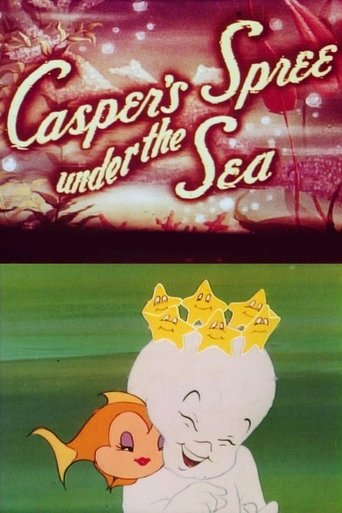
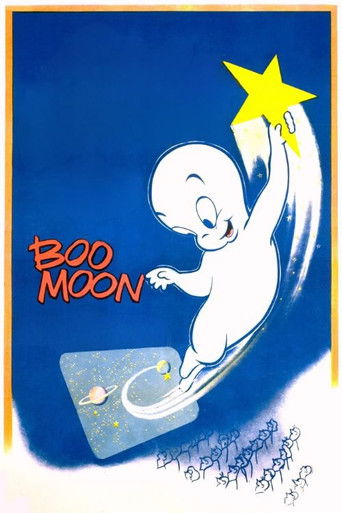
In There's Good Boos To-Night he befriends a fox cub, in A-Haunting We Will Go he hatches an abandoned egg and cares for the duckling, and in Casper's Spree Under the Sea he is expelled from the Society of Ghosts for disliking scaring people and finds friends under the waves. Boo Scout befriends a Boy Scout, Casper Comes to Clown helps a juggling bear cub become a circus star, True Boo is a Christmas cartoon about Casper's wish for a friend, and Boo Moon sends him to rescue the people of the moon. Dutch Treat takes him to Holland, Red White and Boo sends him back in time, and Which Is Witch? pairs him with Wendy the Good Little Witch.
Famous Studios
Famous Studios, the successor to the Fleischer studio, ran from 1942 to the late sixties and filled cinemas with colourful cartoons under the banner of Noveltoons and Screen Songs. Its characters are some of the best-loved of the era. Little Audrey, the mischievous little girl with a big imagination, stars in Butterscotch and Soda, in which she will eat only candy, Song of the Birds, in which she learns to treasure the birds, Tarts and Flowers, Goofy Goofy Gander and Audrey the Rainmaker. Little Lulu, from Marge Buell's comic strip, appears in A Bout with a Trout and Bargain Counter Attack.
Baby Huey, the enormous, clumsy duckling with the heart of gold, debuted in Quack-a Doodle-Doo in 1950 and returns in Pest Pupil. Herman the mouse and Katnip the cat fight their endless battle in Naughty But Mice, Cheese Burglar, Sudden Fried Chicken and Of Mice and Magic, and Buzzy the crow outwits a cat in The Stupidstitious Cat. Blackie the Lamb protects his nephews from the wolf in No Mutton fer Nuttin' and Much Ado About Mutton.
The studio's one-off Noveltoons are full of charm. Santa's Surprise has children from around the world help Santa tidy his house, The Enchanted Square gives a little blind girl a Raggedy Ann doll, The Wee Men follows leprechaun shoemakers, Flip Flap follows a seal escaping to the North Pole, and The Bored Cuckoo lets a clock bird fall in love with a songbird. The Screen Songs, such as Old MacDonald Had a Farm, Snow Foolin', The Ski's the Limit and Toys Will Be Toys, end with the famous bouncing ball so the audience can sing along.
Van Beuren and friends
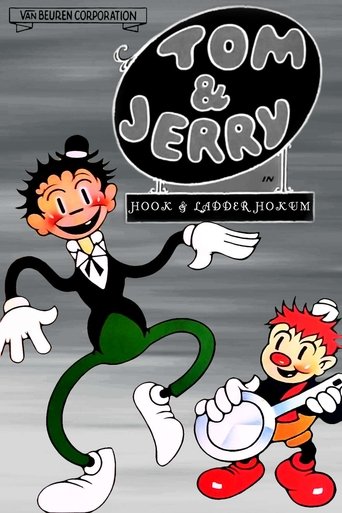
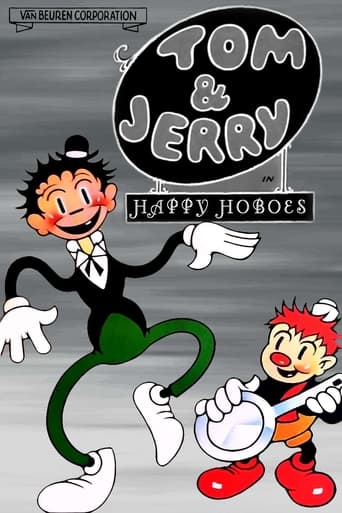
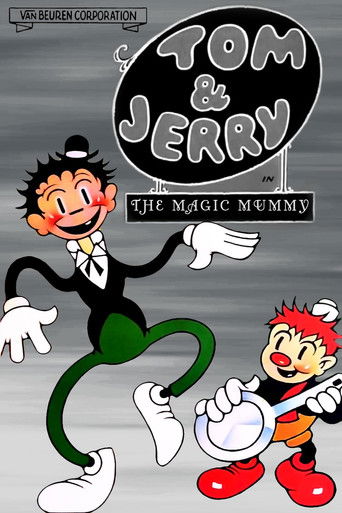
The Van Beuren studio in New York made cartoons for RKO in the early thirties, and its work is some of the most surprising of the era. Its early films include the Aesop's Fables, such as Noah Knew His Ark and A Close Call, and a pair of tall and short human characters named Tom and Jerry, long before the famous cat and mouse. A Swiss Trick, Wot a Night, Jolly Fish, Pencil Mania, Piano Tooners, Pots and Pans, Rocketeers, A Spanish Twist, The Magic Mummy, Hook and Ladder Hokum and Happy Hoboes follow their surreal adventures. Croon Crazy and Opening Night star Cubby Bear, and Christmas Night stars Otto Soglow's silent Little King.
In 1934 the studio began the Rainbow Parade, a series of lush colour fairy tales. The Sunshine Makers pits happy gnomes who bottle sunshine against gloomy swamp-dwellers, Pastry Town Wedding marries two young people in a land of pastries, Balloon Land fills a world with balloons, and The Parrotville Fire Department, Parrotville Post Office and Parrotville Old Folks visit a town of parrots. Molly Moo-Cow and the Butterflies and Molly Moo-Cow and Robinson Crusoe star a gentle cow, Toonerville Trolley and Trolley Ahoy bring a famous comic strip to the screen, and in 1936 the studio revived Felix the Cat in colour in Neptune Nonsense, The Goose That Laid the Golden Egg and Bold King Cole.
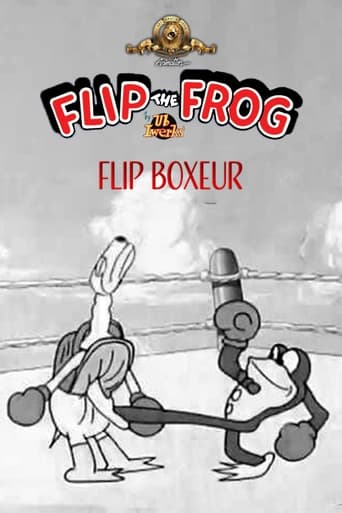
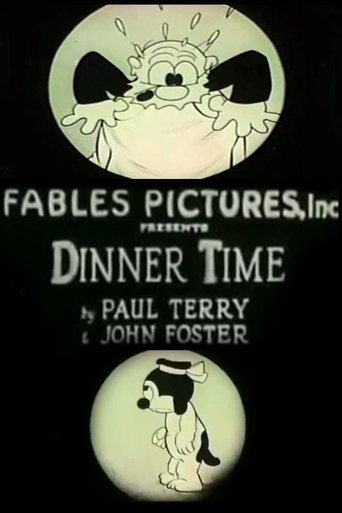
The shelf also holds the work of other small studios. Ub Iwerks, Walt Disney's first partner, created Flip the Frog in Flying Fists, Little Orphan Willie, Spooks and The Goal Rush. Dinner Time, from 1928, was one of the very first sound cartoons, and Holiday Land stars Scrappy, the little boy of the Columbia cartoons.
UPA
United Productions of America, known as UPA, was founded in the forties by artists who wanted to make a different kind of cartoon. Inspired by modern painting and graphic design, they used flat colour, stylised backgrounds and limited animation, and their films looked unlike anything else in the cinema. AnimePahe holds 30 of their cartoons, released through Columbia Pictures.
UPA's most famous star is Mr. Magoo, the stubborn, extremely near-sighted old gentleman who blunders cheerfully through danger, blissfully unaware of it. He first appeared in Ragtime Bear, from 1949, in which he mistakes a banjo-playing bear for his nephew Waldo. When Magoo Flew puts him on an aeroplane he thinks is a cinema, Magoo's Puddle Jumper sends him shopping for a car, and Magoo Express mistakes him for a spy on a European train. In 1959 he starred in the feature 1001 Arabian Nights as Abdul Aziz Magoo, the uncle of Aladdin.
Gerald McBoing-Boing, the little boy who speaks only in sound effects, appears in Gerald McBoing-Boing's Symphony, How Now Boing Boing and Gerald McBoing! Boing! on Planet Moo. Madeline, from 1952, brings Ludwig Bemelmans's picture-book heroine to the screen, Christopher Crumpet and Christopher Crumpet's Playmate follow a boy who turns into a chicken whenever he is denied his way, and his imaginary elephant, and Ballet-Oop follows a ballet class preparing for a big performance. The Jaywalker, Fudget's Budget and The Invisible Moustache of Raoul Dufy show UPA's elegant, witty style, and Frosty the Snowman is a cheerful 1951 version of the popular song. The Fox and Crow, Columbia's comic double act, appear in Robin Hoodlum, The Magic Fluke and Punchy De Leon.
Terrytoons
Paul Terry was one of the pioneers of American animation, and his studio, Terrytoons, made cartoons for more than forty years. Its greatest star was Mighty Mouse, who began as Super Mouse in The Mouse of Tomorrow, from 1942, a parody of the Superman cartoons. In Wolf! Wolf!, Mighty Mouse and the Wolf, Mighty Mouse and the Pirates, Gypsy Life and Aladdin's Lamp he flies to the rescue, often to the accompaniment of operetta-style singing, and Loves Labor Won and Prehistoric Perils pit him against the villainous cat Oil Can Harry.
Heckle and Jeckle, the wisecracking twin magpies, made their debut in The Talking Magpies, from 1946, and return in Out Again, in Again and 'Sno Fun, in which they join the Mounted Police. The Juggler of Our Lady, from 1957, is a beautiful CinemaScope fable about a medieval juggler, and Sidney's Family Tree follows a lonely young elephant looking for a mother.
DePatie-Freleng and the Pink Panther
In 1963 the director Friz Freleng, a Warner Bros. veteran, and the producer David DePatie founded DePatie-Freleng Enterprises. Their first big success was the animated title sequence of the film The Pink Panther, whose cool, silent cat became so popular that he got his own series, and their first short won the Academy Award. AnimePahe holds 48 of the studio's cartoons.
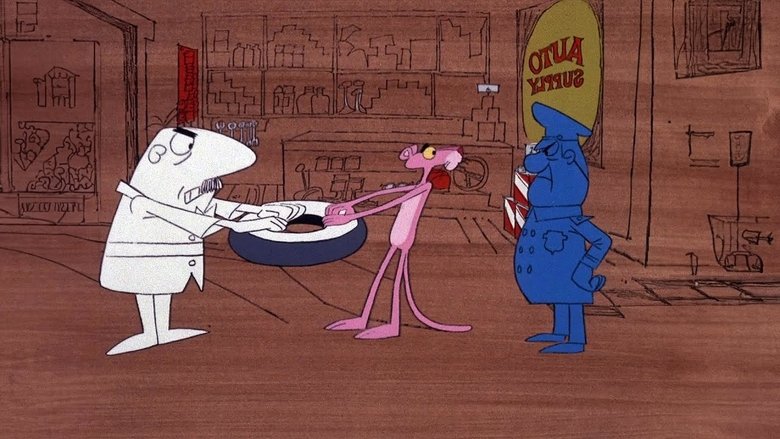
The Pink Panther speaks only through gestures and Henry Mancini's famous theme. In Sky Blue Pink he builds and flies a kite, in Twinkle, Twinkle, Little Pink his new house blocks an observatory's view of the moon, and in Congratulations It's Pink he accidentally adopts a baby. Put-Put, Pink, Pink Is a Many Splintered Thing, In the Pink of the Night, Pink on the Cob and Keep Our Forests Pink show his wonderfully dry comic timing.
The studio also made the Inspector, a bumbling French detective inspired by the Clouseau of the films. The Great De Gaulle Stone Operation, from 1965, began the series, and Napoleon Blown-Aparte, Cirrhosis of the Louvre, Reaux, Reaux, Reaux Your Boat, The Pique Poquette of Paris and Unsafe and Seine send the Inspector and his long-suffering Sergeant Deux-Deux after a gallery of colourful villains. In the seventies, Hoot Kloot, a tiny sheriff of the Old West, starred in Ten Miles to the Gallop, The Shoe Must Go On, Pay Your Buffalo Bill, A Self-Winding Sidewinder, The Badge and the Beautiful, By Hoot or By Crook and Strange on the Range.
From 1964 to 1967, DePatie-Freleng also produced the Looney Tunes for Warner Bros., and the catalogue holds several of these late classics: Suppressed Duck, Tease for Two, Feather Finger and A Taste of Catnip with Daffy Duck, and Run, Run, Sweet Road Runner, Clippety Clobbered and Out and Out Rout with Wile E. Coyote and the Road Runner.
Five decades of cartoons
The decade shelves trace the history of the other studios. The 138 cartoons from 1928 to 1939 bring the jazzy black-and-white Fleischer films, the Van Beuren Tom and Jerry, Flip the Frog, Oswald and the early colour of the Rainbow Parade. The 149 cartoons of the 1940s bring Popeye's move into colour at Famous Studios, the birth of Woody Woodpecker, Mighty Mouse and Casper, and the early Famous Studios Noveltoons.
The 165 cartoons of the 1950s, the largest decade, bring Woody's polished middle period, Chilly Willy, Baby Huey, the later Casper series and UPA's modern masterpieces. The 94 cartoons from 1960 to 1975 close the era with the late Woody Woodpecker and Chilly Willy cartoons, the Pink Panther, the Inspector, Hoot Kloot and the last classic Looney Tunes.
How the cartoons were made
Each studio had its own way of working. The Fleischers invented the rotoscope, which traced live action to create lifelike movement, and the stereoptical process, which placed drawn characters in front of real model sets, giving the Popeye two-reelers their remarkable depth. Van Beuren's Rainbow Parade used soft Technicolor and Cinecolor palettes, Lantz built a polished house style in Hollywood, and Terrytoons worked fast and cheaply with great charm. UPA rejected realism altogether in favour of flat colour and bold design, and DePatie-Freleng carried that modern look into the sixties with the elegant, minimal Pink Panther.
Music and voices
Music was the heartbeat of these cartoons. The Fleischer films are full of jazz and popular song, and the Screen Songs invited the whole audience to sing along with the bouncing ball. Popeye's theme, "I'm Popeye the Sailor Man", is one of the best-known songs in animation. Darrell Calker wrote lively scores for Walter Lantz, Philip Scheib scored the Terrytoons with operetta flourishes for Mighty Mouse, and Henry Mancini's theme for the Pink Panther became one of the most famous pieces of film music ever written. The Rainbow Parade cartoons are musical fairy tales from beginning to end, and The Overture to 'William Tell' and Musical Moments from Chopin set classical music to comedy.
The voices are just as memorable. Jack Mercer voiced Popeye for decades, Mae Questel gave voice to both Betty Boop and Olive Oyl, Grace Stafford gave Woody Woodpecker his laugh from 1950, and Jim Backus made Mr. Magoo one of the great comic voices of the fifties. Many of the Famous Studios characters were voiced by a small team of versatile actors who could switch from a ghost to a duckling in a single afternoon.
Holiday cartoons
The other studios made some lovely holiday cartoons. For Christmas, there is Santa's Surprise, in which children from around the world help Santa; True Boo, Casper's Christmas wish for a friend; Mister and Mistletoe, in which Bluto dresses as Santa to fool Popeye's nephews; Christmas Night, with the Little King; and Gifts from the Air, in which a toyless boy finds a broken soldier doll. For winter, there is Frosty the Snowman, Snow Foolin' and the Chilly Willy cartoons. For Halloween, there is Boos in the Nite and the Casper series, and Toyland Premiere brings Santa Claus to a Hollywood toy parade with Oswald the Rabbit.
Building a cartoon show
In the cinemas of the golden age, a cartoon came before the feature. At home, you can build a whole show with the queue. Here are a few programmes to start with.
A cinema programme of the stars: Strong to the Finich, The Friendly Ghost, Knock Knock, Ragtime Bear, The Mouse of Tomorrow and Sky Blue Pink. That gives you Popeye, Casper, Woody, Mr. Magoo, Mighty Mouse and the Pink Panther in under an hour, each in one of their first or finest cartoons.
A Fleischer evening: Popeye Presents Eugene, the Jeep, Betty in Blunderland, Raggedy Ann and Raggedy Andy and the feature Mr. Bug Goes to Town. A UPA evening: Madeline, Christopher Crumpet, Gerald McBoing-Boing's Symphony, The Jaywalker and When Magoo Flew. A Rainbow Parade programme: The Sunshine Makers, Pastry Town Wedding, Balloon Land, Molly Moo-Cow and the Butterflies and Neptune Nonsense. A Chilly Willy marathon: Chilly Willy, I'm Cold, The Legend of Rockabye Point, Hot and Cold Penguin and Clash and Carry.
For families
These cartoons were made for whole cinema audiences, and most of them are wonderful family viewing today. Young children love Casper, Chilly Willy, Little Audrey, Baby Huey, Andy Panda and the gentle Rainbow Parade fairy tales, and the whole family can laugh together at Popeye, Woody Woodpecker, Mr. Magoo and the Pink Panther. The cartoons were made in a different era, and some contain slapstick violence, smoking or hunting gags that reflect their time. AnimePahe's editors have screened the catalogue by hand to keep it welcoming, and every cartoon page carries a summary of the story so that parents can choose with confidence.
Languages and restorations
Every cartoon in the catalogue was made in English for cinemas, but many tell their jokes almost entirely through music and movement, which is why they travelled so well around the world. Popeye, Woody Woodpecker, Casper and the Pink Panther were dubbed into dozens of languages and remain famous in many countries. Many of the cartoons have been restored from original elements in recent years for disc and streaming, with colours and sound that are far better than the worn prints many viewers remember from television.
The AnimePahe guides
A set of fifteen short help pages sits behind the menu for anyone who wants a shortcut. Start with How to watch to follow a cartoon from the release grid to its official service, then try Finding a cartoon for search tips and My List and the queue to plan a cinema-style show of your own.
The studio guides go deeper: Popeye, Betty Boop and the Fleischer classics, Walter Lantz, Famous Studios and Casper, UPA and Van Beuren, Terrytoons and DePatie-Freleng. The practical pages cover Languages and restorations, Apps and devices, Where AnimePahe cartoons stream, Watching safely, Is AnimePahe working? and The official AnimePahe site.
How the catalogue is chosen
AnimePahe is a hand-picked catalogue and a companion to the guides elsewhere in this family of sites that cover the Disney, Warner Bros. and MGM cartoons. Each cartoon was checked by hand against its story and credits, and the selection favours cartoons that are well made, funny and welcoming for a broad audience. Wartime propaganda, racial and ethnic caricature, blackface gags, the risqué pre-1934 Betty Boop cartoons and alcohol-led or violent shorts are left out of the catalogue so that it stays suitable for everyone.
Posters and production details come from TMDB, the community-built film database, and the services shown by Watch now come from JustWatch, which follows the official services in each country. The words on this page and in the help pages are written for AnimePahe by its own editorial team.
A studio timeline
It helps to see how the other studios fit together. In the late twenties, Paul Terry's Aesop's Fables and the Van Beuren studio in New York were already turning out a cartoon a week, and the Fleischer brothers, who had invented the rotoscope a decade earlier, were making the Out of the Inkwell films with Ko-Ko the Clown. Sound arrived in 1928, and Dinner Time was among the very first sound cartoons. In Hollywood, Walter Lantz took over Oswald the Lucky Rabbit in 1929, and Ub Iwerks left Disney to start his own studio and create Flip the Frog.
The thirties belonged to the Fleischers in New York, with Betty Boop and then Popeye, while Van Beuren experimented with colour in the Rainbow Parade and Paul Terry founded Terrytoons. In the late thirties the Fleischers moved to Miami, made their first feature, Gulliver's Travels, in 1939, and in 1941 their second, Mr. Bug Goes to Town. A year later the studio became Famous Studios, which carried Popeye, Casper and the Noveltoons through the forties and fifties.
Meanwhile, Lantz built his studio around Andy Panda and then Woody Woodpecker, and Terrytoons launched Mighty Mouse and Heckle and Jeckle. In the late forties, UPA burst onto the scene with Mr. Magoo and its modern design, winning Oscars and influencing studios everywhere. In the sixties, as cinema cartoons faded and television took over, Lantz kept Woody and Chilly Willy going, and DePatie-Freleng gave the era a stylish final chapter with the Pink Panther and the Inspector.
The art of the gag
Each studio had its own sense of humour. The Fleischer cartoons are full of background jokes, punning signs and muttered asides, and their surreal transformations, in which a car turns into a dog or a house starts to dance, still feel wonderfully strange. The Lantz cartoons rely on speed and on Woody's wild laugh, the Famous Studios cartoons on warm characters and sight gags, and the UPA films on wit, irony and design. The Pink Panther cartoons are masterclasses in silent comedy, built on timing, gesture and a single perfect piece of music.
Watching cartoons from different studios side by side is the best way to appreciate these differences. A Popeye cartoon from 1936, a Woody Woodpecker from 1948, a Magoo from 1954 and a Pink Panther from 1968 make four very different kinds of comedy, and each one shows how animators kept reinventing the art of making people laugh.
The cartoon in the cinema programme
In the golden age, a trip to the cinema was a whole evening's entertainment. The programme usually included a newsreel, a short comedy or travelogue, a cartoon and one or two feature films. Studios such as Paramount, Universal, Columbia and RKO each needed a steady supply of cartoons for their programmes, and that is why the other studios existed: Paramount released the Fleischer and Famous cartoons, Universal released Walter Lantz, Columbia released UPA and the Screen Gems cartoons, RKO released Van Beuren, and Twentieth Century Fox released Terrytoons.
Audiences often chose their cinema partly for its cartoons, and characters such as Popeye and Woody Woodpecker drew crowds of their own. When television arrived in the fifties, the cartoons found a second life on Saturday mornings and after-school programmes, which is how many viewers first met Casper, Mighty Mouse and Woody Woodpecker.
The supporting casts
Great cartoon stars need great supporting players, and the other studios had plenty. Popeye's world is crowded with memorable characters: the hamburger-loving J. Wellington Wimpy, who will gladly pay you Tuesday for a hamburger today; the baby Swee'Pea, who crawls into danger whenever nobody is looking; the magical Eugene the Jeep; the cranky Poopdeck Pappy; and Bluto, the bearded bully who always gets his comeuppance. Betty Boop has her inventive friend Grampy, whose house is full of ingenious gadgets, and her loyal puppy Pudgy.
Woody Woodpecker's foes are just as colourful. Wally Walrus, the grumpy, Swedish-accented landlord and neighbour, appears in many of the forties cartoons, Buzz Buzzard is the scheming con man of the fifties, and Gabby Gator is the hungry alligator of the sixties. Chilly Willy's patient adversary Smedley is a gentle dog who tries hard to keep order at hotels, ski resorts and parks, and Andy Panda's world includes his father and his dog Butch.
At Famous Studios, Katnip the cat is forever outwitted by Herman the mouse, Wolfie keeps chasing Blackie the Lamb's nephews, and Casper's ghostly uncles keep trying to make him scary. At Terrytoons, Oil Can Harry, the moustache-twirling villain, keeps kidnapping the sweet Pearl Pureheart until Mighty Mouse flies to the rescue. At UPA, Mr. Magoo's nephew Waldo spends most of his time trying to catch up with his uncle, and the Inspector's Sergeant Deux-Deux, who answers only in Spanish, is one of the funniest sidekicks of the sixties.
The best way to meet them is to watch a few cartoons from each shelf in a row: three Popeyes, three Woody Woodpeckers, three Caspers and three Magoos make a delightful afternoon, and by the end you will know every catchphrase, every chase and every running gag. Young viewers in particular love spotting the same faces again and again, and a short run of cartoons from a single studio is a gentle way to introduce them to the classic era.
These supporting casts give each studio its personality, and many viewers grow as fond of Wimpy, Grampy or Smedley as they are of the stars themselves.
Watching today
The cartoons of the other studios are easier to find than ever. The companies that own Popeye, Casper, Woody Woodpecker and the Pink Panther carry many of their cartoons on streaming services, restored collections are available on disc and in digital stores, and some of the earliest Fleischer and Van Beuren cartoons are in the public domain and shared by film archives. Classic cartoon channels still show many of them on television, and holiday favourites return every year.
For the best experience, build a programme of five or six cartoons from different studios and decades, turn the sound up and enjoy them on the biggest screen you have. These films were made to be projected in a cinema, and their music, colour and timing still shine.
That's all, folks
The golden age of cartoons was bigger than any one studio. Alongside the famous names stood the Fleischers' spinach-powered sailor, Lantz's laughing woodpecker, Famous Studios' friendly ghost, Terry's flying mouse, UPA's near-sighted gentleman and DePatie-Freleng's cool pink cat, and together they made the cinema a happier place for half a century. The 546 cartoons on AnimePahe gather that wider world in one place, from the first sound cartoons of 1928 to the Pink Panther of 1975.
Search for a title, open a shelf or start with one of the programmes above. Press Watch now, choose your country, and let the cartoons roll. Welcome to AnimePahe.
Questions
What is AnimePahe?
AnimePahe is a guide to 546 theatrical cartoons from the studios beyond Disney, Warner Bros. and MGM, made between 1928 and 1975, with a Watch now button that opens each cartoon on JustWatch for your country.
Which studios are covered?
Fleischer, Famous Studios, Walter Lantz, Van Beuren, Ub Iwerks, UPA, Terrytoons, Columbia and DePatie-Freleng.
How many Popeye cartoons are here?
The Popeye shelf holds 146 cartoons, from the Fleischer black-and-white films of the thirties to the Famous Studios colour cartoons of the fifties.
Is Woody Woodpecker here?
Yes. The Woody Woodpecker shelf holds 112 cartoons, from his first appearance in Knock Knock in 1940 to the seventies.
Which cartoons suit young children?
Casper, Chilly Willy, Little Audrey, Baby Huey, Andy Panda and the Rainbow Parade fairy tales are perfect for young children.
Where can I watch classic cartoons for free?
Some early Fleischer and Van Beuren cartoons are in the public domain and shared by archives, and Watch now lists free services each time they carry a cartoon in your country.
How does the queue work?
Press Add to My List on any cartoon page. The list stays in your browser, opens from the menu and can be exported to another device.
Does AnimePahe work on a phone or TV?
AnimePahe works in any current browser. On a television, press Watch now and open the chosen service's own app.
Why does AnimePahe look the way it does?
The black page, the pink top line, the grey menu boxes and the wide stills with a big number in the corner come from the archived design of animepahe.ru.